

Criminals use clever tricks to get victims to give up money or personal info. They might pretend to be from HMRC, banks, or tech support, claiming to fix computer problems.

This guide will tell you about the five most common UK telephone scams. It will help you know how to spot them and stay safe.
Key Takeaways
- HMRC tax refund scams are among the most common telephone fraud in the UK.
- Scammers use fake calls from trusted places like banks or government bodies.
- Never share PINs, passwords, or bank details over the phone. It’s a key way to avoid scams.
- Caller ID spoofing and voice cloning are used in scams to make calls seem real.
- Telling Action Fraud about suspicious calls helps keep you and others safe.
The Evolution of Modern Telephone Scams
Telephone scams have evolved dramatically, changing from simple cold calls to complex technology-enabled deception. Scammers use AI, encrypted apps, and data tools to get past old security measures. This telephone scam evolution keeps pace with tech, making it hard for people to stay safe.
From Simple Cold Calls to Technology-Enabled Deception
Today’s modern phone scam techniques include:
- AI-generated voice systems that sound like family members
- Caller ID spoofing to show fake “gov.uk” numbers
- Phishing links sent during calls to install malware
Why UK Citizens Are Increasingly Vulnerable
Three main reasons make UK scam vulnerability worse:
- Demographics: 22% of seniors trust unsolicited calls
- Smartphone dependency: 83% of Britons use mobile banking apps, making them targets
- Cultural trust: 67% of victims feel they must comply with polite requests
The Financial Impact of Telephone Fraud in Britain
Telephone fraud costs have soared:
| Year | Total Losses (£m) | Average Loss per Victim (£) |
|---|---|---|
| 2020 | 150 | 520 |
| 2021 | 185 | 610 |
| 2022 | 230 | 705 |
| 2023 | 270 | 800 |
Hidden costs include £12m for fraud prevention education and mental health care for victims. These telephone fraud costs now hit over £300m yearly, including indirect impacts.
HMRC Tax Refund Scams: The Most Common Telephone Threat
HMRC scam calls are a big problem in the UK. Scammers pretend to be tax officials. They say you owe taxes or are due a tax rebate.
They ask for your bank details or gift cards quickly. This is to scare you into giving them money.
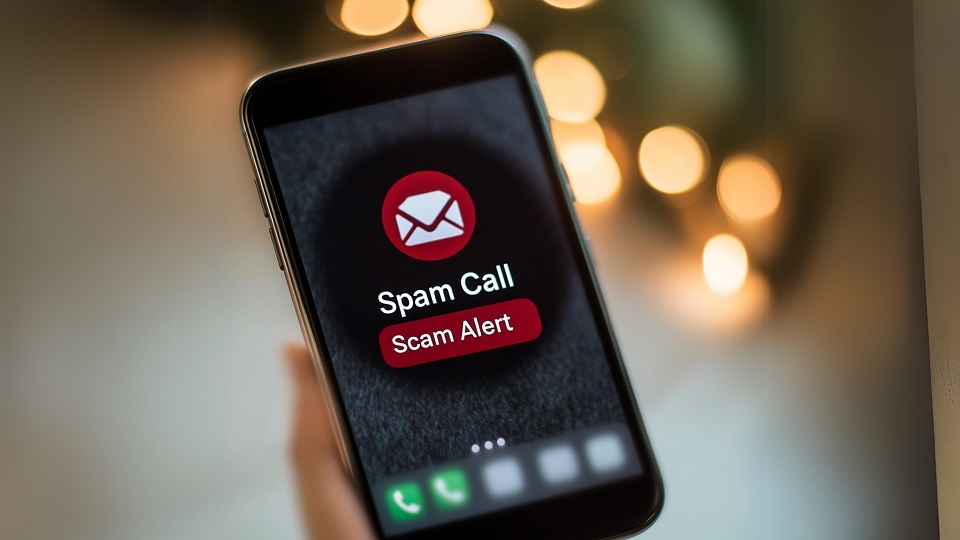
Their overall tone is one of persuasion, with a strategic plan to entice you in giving them your details over the phone.
- Threatening arrest for unpaid taxes.
- Pretending to resolve “overpayment” for tax refund scams UK.
- Using fake case numbers to mimic legitimacy.
| Genuine HMRC | Scam Attempts |
|---|---|
| Sends written notices first | Calls without prior warning |
| No demands for cash or cards | Requests immediate payment via gift cards |
| Uses official contact forms | Demands secrecy or threats |
Scammers might send texts or emails after calling. Real HMRC never asks for money over the phone. If you get a call, hang up and call HMRC at gov.uk.
Report any suspicious calls to Action Fraud and your phone company.
How Telephone Scams Have Evolved in Sophistication, Exploiting New Technologies
Scammers now use advanced technology and psychology to trick people. They find ways to get past old security measures. Here’s how they do it:
Voice Cloning and Deepfake Audio Technology
Scammers use voice cloning scams to sound like family or important people. Tools like Resemble.ai or Descript can make deepfake phone calls from just a few seconds of real audio. In 2023, a UK pensioner lost £12,000 after a scammer sounded like their adult child, asking for money urgently.
Caller ID Spoofing Techniques
Scammers make fake caller IDs look like they’re from trusted places. In 2024, over 60% of caller ID spoofing UK cases targeted older adults. They used NHS or police numbers.

These fraudulent calls frequently involved requests for sensitive information, such as bank details or personal identification, leaving many victims vulnerable to financial loss and identity theft.
Multi-Channel Scam Attacks
Multichannel scam attacks use calls, emails, and texts together. For example:
- A call saying a package is delayed (from Royal Mail) links to a fake tracking site
- Texts with links that lead to premium-rate numbers
This mix of tactics makes it harder to doubt the scam.
Social Engineering Telephone Fraud Tactics
Social engineering telephone fraud uses psychology to trick people. Common tricks include:
| Tactic | Example | Warning Sign |
|---|---|---|
| Authority Exploitation | Pretending to be a fraud officer from Barclays | Asks for quick action without checking |
| Urgency Creation | “Your bank account will be frozen in 10 minutes!” | Pressures you to skip usual customer service |
Be careful: Real companies never ask for personal info over unexpected calls. Always hang up and call back using official numbers.
Banking and Payment Card Telephone Fraud
Bank telephone scams in the UK are becoming more common. Scammers pretend to be from banks to get your payment card details. They often claim there’s fraud on your accounts to get you to share your PINs, passwords, or card numbers.
Bank impersonation calls are a common trick. Scammers might talk about real bank data breaches to seem real. But, real banks never ask for your full PIN or 3D Secure code over the phone.
- Scammers might say you need to move money to “safe accounts” right away
- They could use fake caller IDs that look like real bank numbers
- Some use recorded messages to trick you into calling expensive numbers
A 2023 report by the UK Finance Task Force showed a 30% rise in payment card telephone fraud. Here are some signs to watch out for:
| Legitimate Banks | Scam Calls |
|---|---|
| Ask to verify security questions you set up | Request full card numbers or PINs |
| Never insist on real-time payments | Pressure to use gift cards or cryptocurrency |
| Contact via pre-registered phone numbers | Show unknown or withheld numbers |
If you’re not sure, hang up and call your bank using the number on your card or their website. Tell Action Fraud about any suspicious calls. Your personal details are too important to risk.
Tech Support and Computer Repair Telephone Scams
Unexpected calls claiming to fix your computer or warn of threats are risky. Scammers pretend to be from Microsoft or other tech brands. They try to get your data or money. It’s important to know how to spot these scams and stay safe.
Common Scripts Used by Fake Tech Support Callers
Scammers use scripted lines to scare you. They might say things like:
- “Your computer has a virus detected by our system.”
- “Your Microsoft license expired—pay now to avoid legal action.”
- “We’ve noticed unusual activity on your device.”
These Microsoft impersonation scams might ask you to download tools or pay with gift cards.
Red Flags That Indicate You’re at Risk
Watch out for these warning signs during calls:
- Unsolicited calls claiming to be from Microsoft or Apple.
- Demands for remote access scams to “fix” non-existent issues.
- Requests to purchase gift cards or wire payments.
- Threats of disabling services if you hang up.
What Legitimate Tech Companies Will Never Ask For
| Never Accept | Legitimate Practices |
|---|---|
| Passwords or bank details | Password resets via secure portals |
| Payment before diagnosis | Free diagnostics first |
| Unauthorised remote access | Consent required for remote help |
Real companies like Microsoft or BT will never cold-call for immediate payment or unsolicited fixes. Always end calls and contact the company directly using official numbers.
Conclusion: Protecting Yourself from Evolving Telephone Scams

Protecting yourself from phone scams starts with knowing the facts. Always be cautious of calls that seem urgent or threatening. Scammers use fear to their advantage, so staying calm and checking the facts is crucial.
Never give out personal info like PINs or bank details. A simple way to stop scams is to hang up and call the organisation directly. Use official numbers to verify the call.
Reporting scams is essential in stopping fraud. If you’re targeted, report it to Action Fraud or HMRC’s helpline. Quick reporting helps track scams and warn others. Even small reports help in the fight against fraud.
Organisations like the Financial Conduct Authority (FCA) use these reports to update advice and catch scammers. They rely on your help to keep everyone safe.
Modern ways to defend against scams include call-blocking apps and checking phone numbers. Apps like Truecaller or your provider’s spam filter can block suspicious calls. Keep up with advice from Citizens Advice or the Metropolitan Police’s Scams Awareness Campaign.
Remember, real companies never ask for passwords or payments over the phone. This is a key rule in avoiding scams.
As technology gets better, so do tools to fight fraud. AI and government efforts aim to lower risks. While scammers evolve, so do the ways to protect us. Awareness, action, and support networks are key to staying safe.
Being vigilant today helps create a safer future. Protect your information and encourage others to do the same. Together, we can make a difference.
FAQ
What are the most common types of telephone scams in the UK?
In the UK, common scams include HMRC tax refund scams and banking fraud. Tech support scams and advanced fee fraud are also common. Scammers often pretend to be from real organisations to get your personal info.
How can I tell if a call is a scam?
Watch out for calls from unknown numbers and those that pressure you. Genuine companies rarely ask for personal info over the phone. Always check the caller’s identity by calling the official number yourself.
What should I do if I receive a suspicious call?
If you get a suspicious call, hang up right away. Then, report it to Action Fraud or your local authority. Keeping your personal info safe is key to avoiding fraud.
Are there any legal protections against telephone scams in the UK?
Yes, the UK has laws to protect against scams. The Information Commissioner’s Office (ICO) and Ofcom regulate business calls. Strict penalties apply to lawbreakers. Reporting scams helps authorities fight back against scammers.
Can I block scam calls?
Yes, you can! Smartphones often have features to block certain numbers. Call-blocking apps can also filter out unwanted calls. Talk to your phone service provider for more ways to block scam calls.
What information should I never share over the phone?
Never give out your bank details, passwords, or personal info like your National Insurance number over the phone. Legit companies won’t ask for this info without your consent.
How prevalent are HMRC tax refund scams?
HMRC tax refund scams are very common and a big fraud issue. Scammers claim you’re owed a tax refund or owe tax to get your personal details.
What technologies are scammers currently using?
Scammers use voice cloning, caller ID spoofing, and phishing tactics. These methods make their scams seem real and trustworthy.
What steps can I take to protect myself from tech support scams?
Be careful of unsolicited tech support calls. Watch for scam scripts and red flags. Legit tech companies won’t ask for personal info or device access without your okay.
In Conclusion
If you have been a victim of fraud, report it to Action Fraud https://www.actionfraud.police.uk/ straight away.
Never allow the scammer involved to try and gain access remotelly either by Team Viewer or any other remote control software, if they do manage to gain control of your PC, unplug your router straight away, switch off your PC, and give us a call where we will be able to advise you and check if any unscrupulous software has been installed.
Please stay safe…